A Major Investment in the Region’s Future
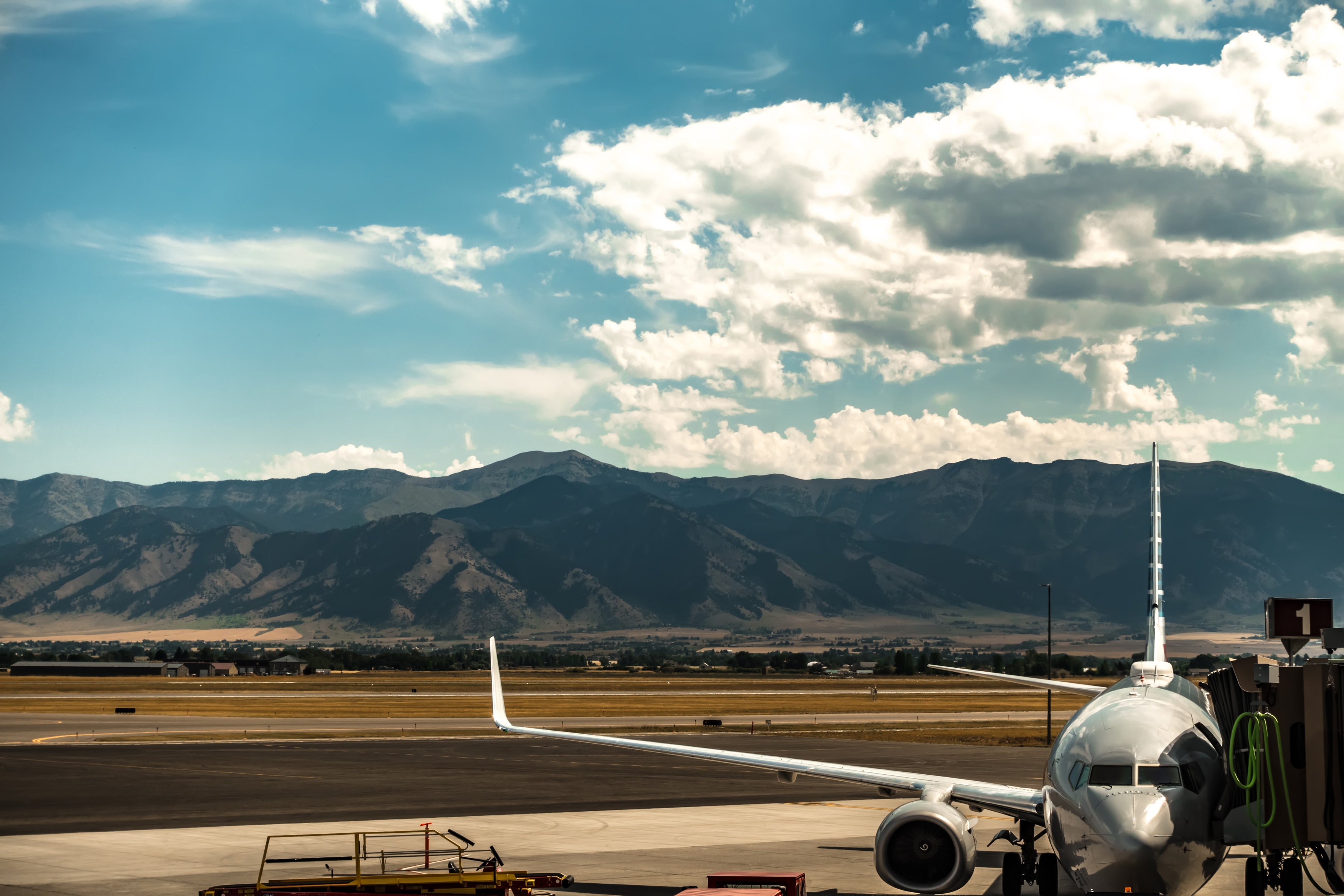
Bozeman Yellowstone International Airport (BZN) has long been Montana’s busiest airport—and now it’s preparing for even bigger skies ahead.
As part of the ETEP 2030 (Enplanement & Terminal Expansion Project), BZN is undergoing a $150 million terminal expansion to meet rising passenger demand, support economic growth, and elevate the travel experience for residents and visitors alike.
With 2.7 million passengers projected in 2025, this isn’t just an airport upgrade—it’s a bold bet on Bozeman’s future.
What’s Included in the Airport Expansion?
According to the ETEP 2030 project, the expansion is happening in multiple phases, with the primary goal of modernizing and expanding terminal capacity. Here’s what’s on the runway:
New Departure Gates & Jet Bridges: Increasing from 8 gates to 13, allowing for more simultaneous flights and reducing congestion.
Larger Security Checkpoint Area: Streamlining TSA processes during peak travel seasons.
Upgraded Baggage Systems: Improving efficiency and capacity.
More Seating & Amenities: Including expanded food, beverage, and retail options for travelers.
Infrastructure for Larger Aircraft: Accommodating new international and longer-haul flights as travel demand grows.
???? Full details available at the official ETEP 2030 Airport Expansion Page
Why Now?
As reported by Montana Right Now, the airport saw record-breaking travel in 2023 and 2024, with no signs of slowing down.
July 12, 2025 is projected to be the busiest day ever at BZN, with 57 scheduled departures to 17 different states.
BZN currently offers service to 25 nonstop destinations (12 year-round and 13 seasonal)—connecting Bozeman with both coasts, major hubs, and international gateways.
With population and tourism continuing to rise, airport leadership moved swiftly to ensure infrastructure doesn’t fall behind.
The Economic Ripple Effect
BZN’s expansion isn’t just good for travelers—it’s a huge driver for the local economy.
The airport contributes over $1.2 billion annually to the regional economy through jobs, tourism, business development, and real estate activity.
Easier access to Bozeman supports continued relocation from out-of-state buyers, investor interest, and tourism demand in nearby Big Sky and Yellowstone National Park.
Improved connectivity opens the door for more business travel, conferences, and commercial investment in the Gallatin Valley.
What It Means for Real Estate
Outlaw Realty is already seeing the impact of this growth across the Bozeman-Big Sky corridor:
Improved accessibility increases property demand across Belgrade, Four Corners, and South Bozeman—especially near major corridors like Jackrabbit Lane and Huffine.
Investors are watching BZN’s growth closely as a signal of long-term market strength.
Buyers and sellers alike benefit from a region that’s becoming more connected and economically resilient.
Final Thoughts
With construction underway and projected completion by the end of the decade, the BZN expansion is more than a facelift—it’s a foundational shift for how Southwest Montana connects to the rest of the country.
At Outlaw Realty, we’re here to help you understand how infrastructure growth like this can influence your real estate journey—whether you’re relocating, investing, or looking to sell in a high-opportunity market.